
Surfing in the Maldives: A Complete Guide for 2026

Updated: Jul 11
The Maldives has emerged as one of the world's premier surfing destinations, offering crystal-clear waters, consistent swells, and uncrowded breaks that attract wave riders from across the globe. While many associate the archipelago with romantic getaways and underwater adventures, surfing has become increasingly popular among travelers seeking the perfect combination of tropical paradise and world-class waves. The unique geography of the Maldivian atolls creates exceptional surfing conditions from March through October, with the southwest monsoon generating powerful swells that transform remote reef passes into surfing playgrounds.
The Evolution of Surfing Culture
Surfing originated thousands of years ago in Polynesian culture, where it held deep spiritual and social significance. Ancient Hawaiians practiced surfing as early as the 1600s, with the sport serving as a demonstration of skill, courage, and connection to the ocean. The practice nearly disappeared during colonial periods but experienced a remarkable revival in the 20th century.
The modern surfing movement spread globally through Australian and Californian surf culture, eventually reaching tropical destinations like the Maldives in the 1970s. Early surf pioneers discovered the archipelago's potential, recognizing that the same reef systems creating spectacular diving conditions also generated perfect waves. National Geographic highlights how surfing evolved from its Hawaiian roots into a global phenomenon that now encompasses diverse cultures and locations.
How Surfing Reached the Maldives
The introduction of surfing to the Maldives represented a convergence of geography and discovery. International surfers exploring the Indian Ocean recognized the potential of Maldivian reef breaks in the late 20th century. Unlike traditional beach breaks, the Maldives offers reef passes where ocean swells meet coral formations, creating consistent, powerful waves.
Key factors that established the Maldives as a surf destination:
Geographic positioning in the Indian Ocean swell window
Numerous uninhabited atolls with pristine reef breaks
Year-round warm water temperatures
Limited crowds compared to established surf destinations
Protection from strong winds during peak surf season
The surf culture in Maldives has grown significantly, with dedicated surf charters providing access to remote breaks that remain inaccessible from land-based resorts.
Understanding Wave Conditions and Seasons
Surfing in the Maldives follows distinct seasonal patterns determined by monsoon cycles and swell direction. The southwest monsoon season, running from March through October, delivers the most consistent waves to the Central and Male Atolls. During this period, swells originating from storms in the Southern Ocean travel thousands of miles before reaching the Maldivian reef systems.
Prime Surfing Months
Month | Swell Consistency | Wave Height | Crowd Level | Wind Conditions |
March-April | High | 4-6 feet | Moderate | Light offshore |
May-July | Very High | 5-8 feet | High | Variable |
August-September | High | 4-7 feet | Moderate | Improving |
October | Moderate | 3-5 feet | Low | Transitional |
Wave quality depends on multiple factors beyond swell size. Tide movements significantly impact reef breaks, with some spots working best at high tide while others require mid to low tide. Wind direction determines wave shape and cleanliness, with offshore breezes creating the cleanest conditions.
The shoulder months of March and October often provide the best combination of quality waves and fewer crowds. Water temperatures remain comfortable year-round at 80-86°F, eliminating the need for wetsuits. This makes surfing in the Maldives particularly appealing for those seeking warm-water wave riding.
Major Surf Breaks and Locations
The Maldives contains dozens of documented surf breaks spread across multiple atolls, each offering unique characteristics and challenges. The Male Atolls (North and South) host the most accessible breaks, while outer atolls provide adventurous options for experienced surfers willing to venture further.
North Male Atoll Breaks
North Male Atoll concentrates several world-class waves within a relatively compact area. Chickens (also called Cokes) ranks among the most famous, offering long left-hand barrels that work across various swell sizes. This wave breaks over shallow reef, demanding respect and skill from riders.
Pasta Point delivers powerful rights that can hold significant swell, creating fast, hollow sections perfect for experienced surfers. The break sits near resort areas but maintains quality due to its challenging nature that naturally limits crowds.
Sultans provides a more forgiving experience with smoother faces and longer rides, making it suitable for intermediate surfers developing their skills. The wave works across different tide stages and offers both speed sections and opportunity for turns.
South Male and Outer Atolls
South Male Atoll features Honky's, a consistent left-hander that works frequently and accommodates various skill levels. The wave's reliability makes it valuable for surf charters planning multi-day trips. Nearby Quarters offers fast, shallow barrels that challenge even expert surfers.
Venturing to outer atolls opens possibilities for uncrowded sessions at breaks that see only occasional visitors. These locations require yacht access, as no land-based infrastructure exists nearby. The Maldives surf charter approach provides flexibility to chase optimal conditions across multiple atolls.
Laamu Atoll: Remote southern location with several quality breaks
Huvadhoo Atoll: Largest atoll with unexplored potential
Meemu Atoll: Emerging destination with consistent waves
Gaaf Alif Atoll: Deep south location with powerful swells
Yacht-Based Surfing Adventures
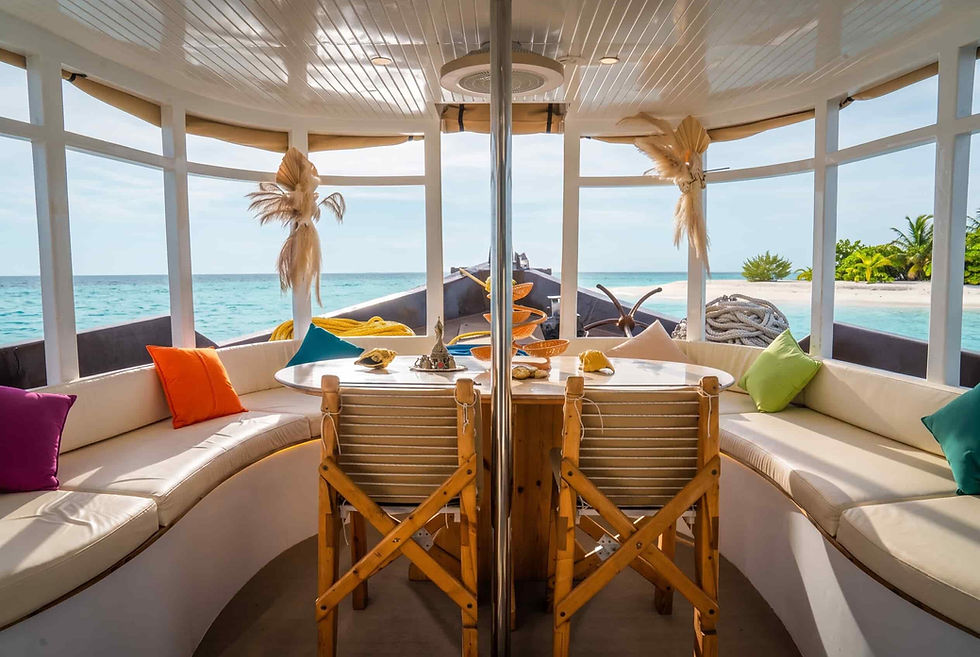
Accessing premium surf breaks in the Maldives presents logistical challenges that yacht charters elegantly solve. Traditional resort-based surfing limits riders to nearby breaks, often resulting in crowded conditions and missed opportunities when better waves break elsewhere. Yacht charters transform surfing trips into mobile adventures where the accommodation follows the best swells.
A private boat tour approach allows surfers to wake up at anchorage near their chosen break, paddle out within minutes, and relocate to different atolls as conditions change. This mobility proves invaluable when chasing optimal wind, tide, and swell combinations.
Advantages of Yacht-Based Surf Travel
Flexibility and freedom define the yacht charter surfing experience. Rather than committing to a single location, surfers can adjust their itinerary based on actual conditions and forecasts. If a particular break isn't performing, the yacht simply moves to another location.
The all-inclusive nature of yacht charters eliminates concerns about daily logistics. Professional crews handle navigation, meal preparation, and local knowledge while guests focus entirely on surfing and relaxation. This service level particularly appeals to families and groups where not everyone surfs constantly.
Privacy and exclusivity separate yacht-based surfing from land-based alternatives. Many premium breaks remain accessible primarily or exclusively via boat, meaning yacht-based surfers often enjoy sessions with minimal crowds. The ability to surf a break multiple times per day during optimal tide windows maximizes wave count and session quality.
Storage and preparation advantages shouldn't be overlooked. Yachts provide dedicated space for multiple surfboards, wetsuits if desired, and repair materials. Fresh water showers, comfortable lounging areas, and immediate access to food and beverages between sessions enhance the overall experience significantly.
For those seeking the ultimate surfing adventure combined with luxury accommodations, a Maldives yacht charter delivers an unmatched experience that positions you perfectly for every swell while providing comfortable living spaces and professional service.
Essential Surfing Equipment and Preparation
Proper equipment selection determines success and safety when surfing Maldivian reef breaks. The reef environment demands specific board choices and protective gear that differs from beach break surfing. Most surfers bring multiple boards to handle varying conditions throughout their trip.
Board Selection and Specifications
Shortboards work well for experienced surfers tackling powerful reef breaks with steep takeoffs and hollow sections. A board in the 5'8" to 6'2" range provides maneuverability while maintaining enough volume for paddling in tropical conditions. Additional thickness compared to home boards helps with buoyancy in warm water.
Step-up boards become necessary when swells exceed head-high or for tackling particularly powerful breaks. These boards typically measure 6'4" to 7'0", offering increased paddle power and stability in larger waves. The extra length helps catch waves earlier in steeper reef situations.
Intermediate surfers benefit from fish designs or mini-longboards that provide stability and easy wave catching without sacrificing too much performance. These shapes excel in smaller conditions and on more forgiving breaks like Sultans or Honky's.
Board Type | Length Range | Best Conditions | Skill Level |
High-Performance Shortboard | 5'8"-6'2" | 3-6 feet, hollow | Advanced |
Step-Up | 6'4"-7'0" | 6+ feet, powerful | Advanced |
Fish/Hybrid | 5'6"-6'4" | 2-5 feet, varied | Intermediate-Advanced |
Funboard/Mini-Mal | 6'6"-8'0" | 2-4 feet, mellow | Beginner-Intermediate |
Safety Equipment and Reef Protection
Reef cuts represent the primary injury concern when surfing in the Maldives. Reef booties protect feet from sharp coral and urchins during wipeouts and when entering/exiting breaks. Quality booties with good grip prevent slipping on boat decks and reef platforms.
Rashguards or surf shirts protect against sun exposure during extended sessions in tropical sunlight. Even when submerged, UV rays penetrate water, making coverage essential for preventing burns. Long-sleeve designs offer maximum protection.
First aid supplies specifically addressing reef cuts should include antiseptic solutions, antibiotic ointment, and waterproof bandages. Coral contains bacteria that can cause infections if wounds aren't properly cleaned and treated immediately.
Learning and Progression Opportunities
While the Maldives gained fame for expert-level reef breaks, opportunities exist for surfers across skill levels. Beginners benefit from starting at gentler breaks during smaller swell periods, while intermediate surfers find perfect progression opportunities in the variety of waves available.
Beginner-Friendly Approaches
Several breaks offer relatively forgiving conditions during smaller swells. Sultans on lower tide provides long, rolling waves without extreme power or shallow sections. The shoulder seasons when swells decrease to 3-4 feet create ideal learning conditions for those developing fundamental skills.
Working with experienced surf guides proves invaluable for newcomers to Maldivian waves. Local knowledge regarding tide timing, entry points, and hazards prevents dangerous situations and accelerates learning. Many yacht charters include surf guide services as part of their packages.
Progressive skill development strategy:
Master smaller days at forgiving breaks (Sultans, Honky's)
Advance to moderate days at intermediate breaks
Challenge yourself on bigger days at familiar spots
Explore more demanding breaks (Pasta Point, Chickens)
Eventually tackle heavy breaks during solid swells
The surf in Maldives scene accommodates various learning approaches, from self-guided progression to structured coaching sessions.
Advanced Techniques for Reef Breaks
Experienced surfers face unique challenges when transitioning to Maldivian reef breaks. Takeoffs occur in deeper water before waves hit the reef shelf, requiring precise positioning and commitment. The steep drop characteristic of reef breaks demands confidence and proper technique.
Reading reef breaks involves understanding how swells interact with underwater topography. Unlike beach breaks where sandbars shift constantly, reef breaks maintain consistent characteristics. Learning the specific personality of each break-optimal tide stage, best swell direction, sections to avoid-separates good sessions from great ones.
Barrel riding opportunities abound in the Maldives, with many breaks offering extended tube sections. Proper positioning, speed generation, and line selection determine success in these hollow waves. The shallow reef beneath demands precision; mistakes result in significant consequences.
Environmental Considerations and Reef Conservation
The coral reef ecosystems supporting Maldivian surf breaks require protection and respect. These fragile environments face threats from climate change, pollution, and physical damage. Surfers accessing these areas carry responsibility for minimizing impact and promoting conservation.
Sustainable Surfing Practices
Avoid reef contact whenever possible by maintaining control during wipeouts and exiting waves before reaching the inside reef section. Physical damage to coral occurs easily; recovery takes years or decades. Experienced surfers plan exit strategies that minimize contact risk.
Reef-safe sunscreen eliminates chemical pollutants that harm coral polyps and marine life. Oxybenzone and octinoxate, common in traditional sunscreens, contribute to coral bleaching. Mineral-based alternatives using zinc oxide or titanium dioxide provide effective protection without environmental damage.
Proper waste management extends beyond avoiding littering. Everything brought onto a yacht or boat should return to proper disposal facilities. Marine debris, particularly plastics, poses severe threats to ocean ecosystems that surfers depend upon.
Supporting conservation initiatives through conscious charter selection makes a difference. Operations committed to environmental protection implement practices like reef mooring systems (avoiding anchor damage), proper waste treatment, and participation in coral restoration projects.
Planning Your Maldives Surf Trip
Successful surf trips require advance planning that considers seasons, logistics, accommodation, and backup activities. The Maldives presents unique planning challenges due to its geography and the specialized nature of accessing surf breaks.
Timing and Duration
Optimal trip length spans 7-14 days, providing sufficient time to experience multiple breaks across different conditions. Shorter trips risk missing quality swells, while longer durations increase chances of scoring excellent waves. The variability of surf conditions makes extended stays advantageous.
Booking during shoulder seasons (March-April or September-October) balances wave quality with value and crowd levels. Peak season months (June-August) deliver the most consistent swells but attract maximum surfer numbers. For those seeking adventure beyond surfing, platforms like Innobook offer various activity bookings that complement tropical destinations.
Budget Considerations
Maldives surf trips range from budget surf camp experiences to luxury yacht charters. Understanding cost structures helps align expectations with financial reality.
Budget-conscious options:
Surf camp guesthouses in local islands
Shared surf charter berths
Peak season travel (higher crowds, lower prices)
Shorter trip durations
Premium experiences:
Private yacht charters with dedicated crews
All-inclusive packages eliminating hidden costs
Shoulder season timing (better conditions, moderate pricing)
Extended durations maximizing swell opportunities
The all-inclusive yacht charter model often delivers superior value despite higher upfront costs. When calculating daily expenses for accommodation, meals, transportation between breaks, and boat access, comprehensive packages frequently cost less than piecing together individual components.
Beyond the Waves: Complementary Activities
Rest days between surf sessions protect bodies from overuse and allow exploration of the Maldives' other attractions. The same yacht providing surf access offers platforms for diverse ocean activities.
Diving and Snorkeling
The Maldives ranks among the world's top diving destinations, with the same reef systems creating surf breaks also hosting spectacular marine life. Between surf sessions or during flat spells, diving expeditions reveal manta rays, whale sharks, sea turtles, and countless tropical fish species.
Snorkeling requires less time and training while still providing access to vibrant underwater ecosystems. Many surf breaks sit near channels and passages where current brings nutrients, attracting concentrated marine life. The diving charter approach combines multiple ocean pursuits into single trips.
Fishing and Island Exploration
Traditional Maldivian fishing techniques offer cultural experiences and fresh meals. Sunset fishing trips provide relaxation and the possibility of catching dinner while enjoying spectacular views. Experienced crews know productive fishing grounds throughout the atolls.
Uninhabited island visits reveal pristine beaches and opportunities for solitude. The Maldives contains over 1,000 islands, with the majority remaining undeveloped. Exploring these remote locations provides perspective on the archipelago's natural beauty and ecological significance. For special occasions, experiences like a Maldivian night dinner create memorable moments under tropical skies.
Cultural Experiences
Visiting local island communities introduces Maldivian culture beyond resort environments. Traditional music, crafts, and cuisine reflect the archipelago's unique heritage shaped by centuries of maritime trade and Islamic influence. Respectful interaction with local communities enriches travel experiences and supports sustainable tourism.
For those celebrating special occasions, the Maldives offers romantic settings that rival any destination worldwide. After memorable moments in paradise, celebrating with fine jewelry commemorates extraordinary experiences in this unique environment.
Weather Patterns and Forecast Resources
Understanding meteorological patterns improves trip timing and daily session planning. The Maldives experiences distinct monsoon seasons that determine surf conditions, rainfall, and wind patterns.
Southwest Monsoon (Surf Season)
The southwest monsoon dominates from May through October, bringing winds from the southwest and generating swells. This period produces the most consistent surfing conditions in the Central and Male Atolls. Early morning sessions typically offer the cleanest conditions before afternoon winds develop.
Rainfall increases during monsoon months, though showers usually pass quickly. Cloud cover provides relief from intense tropical sun, and rain doesn't significantly impact surfing when waves are good. Wind patterns vary throughout the season, with May and September generally offering lighter wind conditions than mid-summer months.
Northeast Monsoon (Off-Season)
From November through April, the northeast monsoon brings different conditions that affect the eastern atolls. While surf opportunities decrease in popular locations, this period offers excellent diving conditions and pleasant weather for non-surf activities. Some breaks on eastern exposures receive rideable waves during this season.
Reliable surf forecast resources:
Surfline (global surf forecasting)
Magicseaweed (detailed swell modeling)
Windy (wind and weather visualization)
Local surf charter forecasts (experienced interpretations)
Physical Preparation and Fitness
Surfing Maldivian reef breaks demands specific fitness levels and skills beyond typical beach break surfing. The power of tropical swells, intensity of paddle-outs through channels, and multiple daily sessions require solid conditioning.
Surf-Specific Training
Paddling endurance determines session length and wave count. Building shoulder and back strength through swimming, paddleboard training, or specific surf training programs prepares muscles for extended sessions. The warm water allows longer sessions than cold-water destinations, making endurance particularly important.
Pop-up speed and explosiveness become critical on reef breaks where takeoff windows narrow and consequences of hesitation increase. Plyometric exercises, yoga, and functional strength training improve reaction time and board control.
Breath-hold capacity provides safety margins during wipeouts over shallow reef. While not necessary for every session, developing comfort underwater and extending breath-hold duration reduces panic during hold-downs. Freediving training or simple breath-hold exercises build this capacity.
Recovery and Injury Prevention
Multiple daily sessions strain muscles and joints beyond typical surf trip demands. Incorporating rest days, stretching routines, and proper hydration prevents overuse injuries. The yacht environment supports recovery with comfortable sleeping arrangements, quality nutrition, and stress-free logistics.
Common surfing injuries in the Maldives include reef cuts, shoulder strains, and lower back stress. Preventive measures like proper warm-ups, technique focus, and knowing personal limits reduce injury risk. Carrying comprehensive first aid supplies and understanding basic wound care proves essential given the remote nature of many breaks.
Surfing in the Maldives combines world-class waves with tropical paradise, creating unforgettable experiences for riders seeking pristine breaks and warm-water barrels. The unique geography of the archipelago delivers consistent swells to diverse breaks ranging from forgiving waves perfect for progression to challenging barrels that test expert skills. Whether you're chasing perfect tubes at Pasta Point or enjoying longer rides at Sultans, the Maldives offers surfing adventures that exceed expectations. Atoll Villa specializes in luxury yacht charters that position surfers perfectly for accessing the best breaks across multiple atolls, combining comfortable accommodations with the freedom to chase optimal conditions throughout your journey.


Comments