
Maldives Surf: The Ultimate Guide to Wave Riding in 2026

The Maldives has emerged as one of the world's premier surfing destinations, offering consistent swells, warm tropical waters, and uncrowded breaks that rival any surf location on the planet. While many travelers associate these islands with luxury resorts and pristine beaches, the archipelago's unique geography creates exceptional surfing conditions from March through October. Understanding when to visit, which breaks to target, and how to access these remote waves can transform your surf trip from good to extraordinary.
Understanding Maldives Surf Conditions
The Maldives consists of 26 atolls spread across the Indian Ocean, creating hundreds of reef breaks that catch powerful swells from the southern hemisphere. The country's positioning near the equator ensures warm water temperatures year-round, typically ranging between 80-84°F (27-29°C), eliminating the need for thick wetsuits even during extended sessions.
Geographic Advantages for Wave Formation
The steep reef formations surrounding each atoll create the perfect conditions for hollow, powerful waves. These reefs rise sharply from deep ocean floors, causing swells to focus and peak with remarkable consistency. The best surf breaks in the Maldives benefit from this bathymetry, producing waves that break over shallow coral in crystal-clear water.
Key factors that make Maldives surf exceptional:
Consistent southern hemisphere swells from April to October
Minimal crowds compared to Indonesian surf destinations
Water visibility exceeding 100 feet at many breaks
Protection from trade winds on eastern reef passes
Multiple breaks within short distances of each other
The atolls themselves act as natural swell magnets. When swells approach from the south and southwest, they wrap around the reef structures, creating rideable waves on both the outer reefs and protected inner passages.
Prime Surf Season and Wave Forecasting
Understanding the Maldives surf season is essential for planning your trip. The primary surfing window runs from March through October, coinciding with the southwest monsoon season. During this period, consistent swells arrive from storms in the southern Indian Ocean, often traveling thousands of miles before reaching the atolls.
Monthly Breakdown of Surf Conditions
Month | Swell Size | Consistency | Wind Conditions | Crowd Level |
March | 3-5 feet | Moderate | Variable | Low |
April-May | 4-6 feet | High | Light offshore | Medium |
June-August | 5-8 feet | Very High | Consistent offshore | High |
September | 4-7 feet | High | Moderate | Medium |
October | 3-5 feet | Moderate | Variable | Low |
Peak season occurs between June and September when swells reach their maximum size and frequency. During these months, experienced surfers can expect overhead waves with occasional double-overhead sets at major breaks. The offshore winds that accompany the southwest monsoon groom the wave faces, creating clean conditions ideal for performance surfing.
Early season (March-April) offers smaller but more manageable waves, perfect for intermediate surfers or those looking to warm up before the bigger swells arrive. Late season (October) sees diminishing swell activity but can still produce excellent sessions, particularly during the transition period.
Major Surf Regions and Iconic Breaks
The Maldives surf scene divides into distinct regions, each offering unique characteristics and wave types. The North Male Atoll and South Male Atoll contain the majority of internationally recognized breaks, while more remote atolls in the south provide adventure opportunities for experienced surfers.
North Male Atoll: The Surf Hub
This region hosts some of the most famous waves in the Indian Ocean. Breaks like Cokes, Chickens, Sultans, and Jailbreaks have achieved legendary status among traveling surfers. According to experienced surf guides, these spots offer world-class right-hand barrels that break over shallow reef.
Cokes (Coca-Cola) remains the most photographed wave in the Maldives. This fast, hollow right-hander breaks in front of a resort, offering viewing opportunities from the beach. The wave works best on mid to high tide with swells in the 4-6 foot range, producing clean barrels that peel for up to 200 yards.
Chickens provides a more user-friendly option for intermediate surfers. This right-hand point break offers longer rides with less critical sections, making it ideal for surfers developing their skills. The wave breaks over a deeper reef section, reducing the risk of injury from shallow coral.
South Male Atoll: Hidden Gems
South Male features excellent breaks with fewer crowds than its northern counterpart. The area includes quality waves at Native, Gurus, and Quarters, each offering distinct characteristics that appeal to different surfing styles.
Native: A long, fast right-hander with multiple barrel sections
Gurus: A playful wave perfect for practicing maneuvers
Quarters: A heavier reef break reserved for experienced surfers
Exploring these breaks requires more effort than the accessible North Male spots, but the rewards include uncrowded sessions and pristine conditions. Many surfers opt for yacht-based surf trips to access these remote locations efficiently.
Accessing the Waves: Yacht Charters vs. Resort Stays
The way you access Maldives surf significantly impacts your overall experience. Traditional surf resorts offer proximity to specific breaks but limit your range. Yacht charters provide mobility, allowing you to follow optimal conditions and escape crowds.
The Yacht Charter Advantage
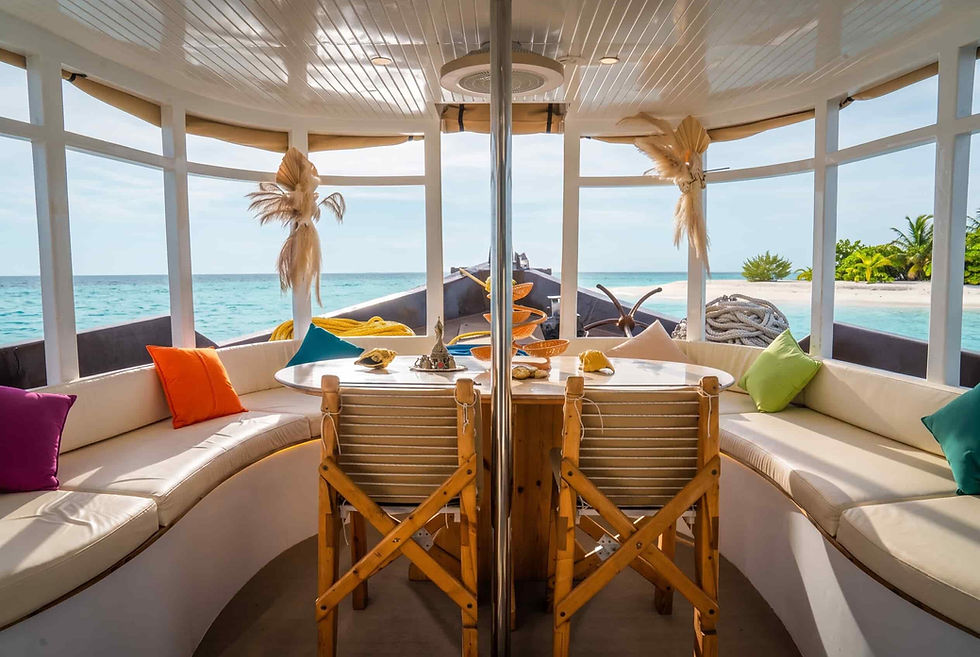
Luxury yacht charters have revolutionized how surfers experience the Maldives. Instead of committing to a single location, you can wake up at different breaks each morning, following the best swell and wind conditions. This flexibility becomes invaluable when certain breaks become too crowded or when swell direction favors specific atolls.
A Maldives yacht charter offers several distinct advantages for surf-focused trips. You carry your accommodation with you, eliminating the need for expensive resort transfers. The yacht becomes your floating base camp, equipped with board storage, repair facilities, and comfortable lounging areas for rest between sessions.
Benefits of yacht-based surf trips:
Access multiple breaks in a single day
Avoid crowded lineups by visiting lesser-known spots
Adjust your itinerary based on real-time swell forecasts
Enjoy all-inclusive dining and accommodation
Bring larger quivers without baggage restrictions
The mobility factor cannot be overstated. When a new swell arrives or wind patterns shift, yacht-based surfers simply relocate to the optimal break. This adaptability ensures consistent quality sessions throughout your trip, regardless of changing conditions.
Essential Surf Equipment and Preparation
Preparing for a Maldives surf trip requires careful consideration of equipment, reef protection, and local conditions. The tropical environment and sharp coral reefs demand specific gear choices that differ from traditional beach breaks.
Board Selection Strategy
Most Maldives surf breaks favor shortboards in the 5'8" to 6'2" range, with additional volume to handle the powerful reef waves. The steep takeoffs and hollow sections require boards with enough rocker to fit in the barrel but adequate flotation for paddling in cross-currents.
Board Type | Ideal Conditions | Recommended Dimensions | Volume Range |
Standard Shortboard | 4-6 feet | 5'10" - 6'0" | 28-32 liters |
Step-Up | 6-8 feet | 6'2" - 6'6" | 32-36 liters |
Fish/Hybrid | Small days | 5'6" - 5'10" | 32-36 liters |
Bring multiple boards to handle varying conditions. A standard shortboard covers most situations, while a slightly larger step-up provides confidence on bigger days. Including a fun-shaped board for smaller sessions ensures you maximize wave count throughout your trip.
Reef Protection and Safety Gear
The shallow coral reefs throughout the Maldives demand serious respect. Even experienced surfers suffer cuts and injuries from mistimed wipeouts or unexpected shallow sections. Comprehensive surf guides emphasize the importance of proper protective equipment.
Essential protective gear includes:
Reef booties with thick soles (3-5mm minimum)
Lycra or thin wetsuit top for sun protection
Helmet for heavy reef breaks
First aid kit with coral-specific treatments
Reef-safe sunscreen (non-chemical formulas)
Reef booties prove absolutely critical. The coral formations feature razor-sharp edges that easily penetrate bare feet. Quality booties provide both protection and traction, allowing confident paddling and positioning in shallow sections.
Navigating Crowds and Surf Etiquette
Despite the Maldives' reputation for uncrowded waves, popular breaks during peak season can become surprisingly busy. Understanding local surf etiquette and crowd dynamics ensures positive experiences for everyone in the lineup.
Peak Season Crowd Management
The most famous breaks in North Male Atoll attract international surf travelers throughout the main season. Waves like Cokes and Sultans can host 20-30 surfers during prime conditions, particularly in July and August. Travel resources suggest arriving early or targeting shoulder season for lighter crowds.
Experienced local surfers and resort guests maintain consistent presence at premier breaks. Showing respect for their position in the lineup, taking turns on waves, and communicating clearly prevents conflicts and creates friendly sessions. The relatively small surf community means reputations spread quickly, both positive and negative.
Alternative Breaks for Solitude
Seeking uncrowded waves requires exploration beyond the famous names. Southern atolls offer excellent surf with minimal crowds, though accessing these locations demands more planning and typically requires yacht transportation. Some breaks remain completely empty even during peak season, rewarding adventurous surfers willing to venture further from Male.
Working with experienced surf guides or yacht charter operators who know lesser-known breaks provides access to these hidden gems. Many captains maintain mental maps of secret spots that rarely see more than a handful of surfers per season.
Combining Surf with Other Maldives Experiences
While the waves justify the journey alone, the Maldives offers extraordinary activities between surf sessions. The same clear waters and vibrant marine environments that create excellent surf also provide world-class diving, snorkeling, and water sports opportunities.
Marine Life Encounters
The reefs surrounding surf breaks teem with tropical fish, sea turtles, rays, and reef sharks. Many surfers report seeing marine life during sessions, particularly manta rays gliding beneath them in the channel at Manta Point. The biodiversity rivals premier diving destinations worldwide, creating unique opportunities for nature observation.
Snorkeling trips during flat spells or rest days reveal underwater landscapes of stunning beauty. The same coral formations that generate powerful waves create intricate ecosystems hosting thousands of species. Some comprehensive Maldives holidays specifically combine surf sessions with scheduled dive excursions, maximizing ocean experiences.
Cultural Immersion Opportunities
Beyond the waves and reefs, the Maldives offers rich cultural experiences in local island communities. Visiting fishing villages, attending traditional Bodu Beru music performances, and sampling authentic Maldivian cuisine adds depth to surf-focused trips. These cultural elements provide perspective on island life beyond tourist experiences.
The contrast between pristine natural environments and traditional island culture creates memorable experiences. Travelers interested in expanding beyond pure surf trips can integrate cultural visits into their itineraries, particularly when using flexible yacht-based transportation that facilitates island hopping.
Practical Considerations for Surf Travel
Successfully executing a Maldives surf trip requires attention to logistics, timing, and practical details. Understanding visa requirements, transportation options, and local customs ensures smooth travel experiences focused on wave riding rather than problem-solving.
Entry Requirements and Transportation
Most visitors receive 30-day tourist visas upon arrival at Velana International Airport in Male. The airport serves as the gateway for all international arrivals, with subsequent transportation to surf zones via speedboat or seaplane. Journey times range from 20 minutes to several hours depending on your final destination.
Transportation options from Male:
Speedboat transfers to North Male resorts (20-45 minutes)
Seaplane flights to distant atolls (30-90 minutes)
Direct yacht pickup from airport jetty
Domestic flights to southern atolls with boat connections
Budget considerations vary significantly based on transportation choices and accommodation types. Resort-based surf packages typically cost more but include convenience and amenities. Yacht charters offer better value for groups and provide superior wave access flexibility.
Health and Safety Protocols
Staying healthy during your surf trip protects both your well-being and wave-riding opportunities. The tropical climate, strong sun exposure, and physical demands of reef surfing require specific health precautions. Safety-focused surf travel guides emphasize prevention over treatment when dealing with tropical conditions.
Coral cuts represent the most common surf-related injury. Even minor abrasions can become infected in tropical environments. Immediately cleaning wounds with fresh water, applying antibiotic ointment, and monitoring for infection prevents complications. Serious cuts may require professional medical attention available in Male or larger resort islands.
Environmental Responsibility and Reef Conservation
The fragile coral reef ecosystems that create exceptional Maldives surf face increasing environmental pressures. Rising ocean temperatures, ocean acidification, and physical damage threaten these vital structures. Surfers have both opportunity and responsibility to minimize their environmental impact while enjoying the waves.
Sustainable Surfing Practices
Avoiding direct contact with living coral protects reef health and personal safety. Many breaks feature channels and deep-water entry points that eliminate the need to walk across reef flats. Using these designated access routes prevents unnecessary coral damage while reducing injury risk.
Choosing reef-safe sunscreen products prevents chemical pollution that harms coral polyps. Traditional sunscreens contain oxybenzone and octinoxate, compounds proven toxic to coral reefs even in small concentrations. Mineral-based alternatives using zinc oxide or titanium dioxide provide effective sun protection without environmental harm.
Supporting Conservation Initiatives
Several organizations work to protect Maldives marine environments through reef restoration, research, and education programs. Surfers can support these efforts through donations, volunteer participation, or choosing operators committed to sustainable practices. The long-term health of Maldives surf depends on maintaining the reef systems that generate the waves.
Some yacht charter companies partner with conservation organizations, incorporating reef monitoring or citizen science activities into their itineraries. These programs allow guests to contribute meaningfully to environmental protection while enjoying their surf vacation.
Adapting to Different Skill Levels
The Maldives accommodates surfers across the ability spectrum, from confident intermediates to professional-level wave riders. However, the reef environment and wave power demand realistic self-assessment and appropriate break selection for your skill level.
Progression Pathways for Developing Surfers
Intermediate surfers should target breaks like Chickens, Pasta Point, and smaller days at Honkys. These waves offer generous shoulders, deeper reef sections, and more forgiving takeoff zones. Building confidence and experience at these spots prepares surfers for the heavier, more critical waves at premier breaks.
Recommended progression sequence:
Start with Chickens on 3-4 foot days
Progress to Sultans during moderate swells
Tackle Cokes when comfortable with reef breaks
Attempt Jailbreaks only with solid barrel-riding experience
Advanced surfers find endless challenges across the atolls. The combination of power, hollow sections, and critical drops tests even experienced wave riders. Many professional surfers maintain the Maldives on their annual travel schedules, seeking both performance opportunities and barrel riding experiences.
For travelers seeking variety beyond surfing, destinations like Africa Wild Safaris offer immersive safari experiences that complement an adventure-focused lifestyle, while properties such as Aquamarine Villa in Bali provide excellent accommodation options for surfers exploring multiple Indo-Pacific destinations throughout the season.
Advanced Wave Hunting Strategies
Maximizing wave quality during your Maldives surf trip requires understanding swell forecasting, tide influences, and micro-conditions that affect each break differently. Experienced surfers who study these variables consistently score better sessions than those who simply show up and paddle out.
Swell and Tide Optimization
Each break responds differently to swell direction, period, and size. Cokes performs best with straight south swells of 4-6 feet and mid to high tide. Sultans prefers southwest swells with longer periods, working across most tide ranges. Detailed surf spot guides provide specific conditions for optimal performance at each location.
Tide cycles dramatically affect wave quality at shallow reef breaks. Low tide exposes coral heads and creates dangerous shallow sections that even experienced surfers avoid. Mid-incoming tide typically provides the best combination of wave shape and safety margins. High tide can wash out some breaks while activating others that need deeper water.
Wind patterns follow predictable daily cycles during surf season. Early mornings typically offer glassy conditions before the southeast trade winds strengthen through midday. Planning your sessions around these patterns ensures cleaner wave faces and more enjoyable surfing experiences.
The Maldives delivers world-class surf experiences defined by powerful reef breaks, warm tropical waters, and consistent swells throughout the extended season from March to October. Whether you target famous breaks in North Male Atoll or explore remote southern atolls, proper planning and equipment preparation ensure memorable sessions. For surfers seeking the ultimate wave-riding adventure with flexible access to multiple breaks, Atoll Villa provides luxury yacht charter experiences that combine comfortable all-inclusive accommodation with the freedom to chase optimal conditions across the archipelago, transforming your surf trip into an unforgettable ocean journey.


Comments