
Surf in Maldives: Ultimate Guide to Surfing Paradise

The Maldives has evolved from a remote Indian Ocean archipelago into one of the world's premier surfing destinations, offering consistent swells, crystal-clear waters, and uncrowded waves. While many travelers associate this tropical paradise with luxury resorts and pristine beaches, the opportunity to surf in Maldives draws dedicated wave riders from across the globe. The combination of powerful reef breaks, warm water year-round, and exclusive access to remote surf spots creates an unparalleled surfing experience that rivals any destination worldwide.
Understanding the Maldives Surfing Landscape
The Maldivian archipelago consists of 26 natural atolls scattered across the Indian Ocean, creating hundreds of potential surf breaks. The geography of these coral islands produces exceptional reef breaks that benefit from deep-ocean swells traveling thousands of miles across open water. When you surf in Maldives, you're riding waves shaped by some of the most consistent swell patterns in the surfing world.
The surfing culture in the Maldives began developing in the 1970s when adventurous surfers discovered the potential of these remote breaks. Today, the industry has matured significantly, with dedicated surf resorts, charter boats, and local surf guides making these waves more accessible than ever.
Geographic Advantages for Surfing
The Maldives sits perfectly positioned to receive swells from multiple directions throughout the year. The atoll structure creates natural channels and reef formations that produce world-class waves. Most surf breaks occur on the outer reefs of the atolls, where deep water meets shallow coral formations.
Key geographic features that make Maldives surfing exceptional:
Outer reef breaks with deep-water access
Protected lagoons for safe boat anchoring
Consistent reef bathymetry creating predictable waves
Multiple atolls offering varied wave directions
Warm water temperatures averaging 27-30°C (80-86°F)
The National Geographic exploration of Maldives activities emphasizes how the country's unique topography supports both surfing and other water sports, making it an ideal destination for adventure-seeking travelers.
Prime Surf Season and Wave Conditions
Understanding seasonal patterns is essential when planning to surf in Maldives. The primary surf season runs from March through October, coinciding with the Southwest monsoon that generates consistent swells across the Indian Ocean. During these months, wave heights typically range from 3 to 8 feet, with occasional larger sets during peak swell events.
Season | Months | Swell Direction | Average Wave Height | Crowd Level |
Peak Season | June-August | Southwest | 4-8 feet | High |
Shoulder Season | March-May, September-October | Southwest | 3-6 feet | Moderate |
Off Season | November-February | Variable | 2-4 feet | Low |
The comprehensive guide to surfing conditions notes that while the main season offers the most consistent waves, skilled surfers can find rideable conditions throughout the year. The off-season brings lighter winds and smaller swells, creating ideal conditions for intermediate surfers and those seeking less crowded lineups.
Wind and Weather Patterns
Wind conditions significantly impact wave quality when you surf in Maldives. During the Southwest monsoon, morning sessions typically offer offshore winds and glassy conditions, while afternoons can bring onshore winds that deteriorate wave quality. Strategic planning around daily wind patterns maximizes your surfing experience.
The micro-climate of each atoll can vary, with some locations offering better wind protection than others. Northern atolls often receive different wind patterns than southern regions, providing options regardless of daily conditions.
Top Surf Breaks and Locations
The Maldives offers diverse surf breaks suitable for all skill levels, from mellow reef passes to hollow barrels that challenge even experienced surfers. The Male Atolls (North and South) contain the highest concentration of accessible breaks, while more remote atolls offer uncrowded waves for adventurous surfers.
North Male Atoll Breaks
North Male Atoll hosts some of the most famous waves in the country. These breaks benefit from proximity to the airport and established infrastructure, making them popular with surf tourists.
Notable North Male breaks:
Chickens - Right-hand reef break, suitable for intermediate to advanced surfers
Cokes - Powerful right-hander, best during larger swells
Lohi's - Long right wall, excellent for progressive surfing
Pasta Point - Consistent left-hander, works across various swell sizes
Sultans - World-class right-hand barrel, requires advanced skills
South Male Atoll Waves
South Male Atoll provides additional options with generally less crowded conditions. According to official Maldives tourism information about surf spots, these breaks offer excellent alternatives when North Male locations become crowded.
The diversity of breaks ensures that when you surf in Maldives, you'll find waves matching your ability level and preferences. A luxury yacht charter provides unparalleled access to multiple breaks within a single day, allowing you to chase optimal conditions across different atolls.
Central and Outer Atolls
For experienced surfers seeking adventure and isolation, the central and outer atolls present exceptional opportunities. These remote locations require boat access and proper planning but reward intrepid surfers with empty lineups and pristine waves.
The detailed charter guide for Maldives surfing explains how surf charters unlock access to breaks that remain virtually unsurfed throughout the season. Central atolls like Laamu, Huvadhoo, and Gaafu Dhaalu offer world-class waves far from tourist crowds.
Surf in Maldives: Access Methods and Logistics
Accessing surf breaks in the Maldives requires careful consideration of logistics and transportation options. Unlike beach breaks accessible by foot, most Maldivian waves break on outer reefs requiring boat transportation. Three primary access methods exist: resort-based surfing, surf charter boats, and day-trip services.
Resort-Based Surfing
Several resorts throughout the atolls cater specifically to surfers, offering direct access to nearby breaks. These establishments provide convenient boat transfers, surf guides, and amenities between sessions. Resort-based surfing works well for travelers combining surfing with family vacation activities or those preferring land-based accommodation.
Advantages of resort surfing:
Predictable daily schedule
Land-based accommodation comfort
Additional activities for non-surfing companions
Consistent meal service and amenities
Limitations to consider:
Access typically limited to 1-3 nearby breaks
Higher per-night costs compared to other options
Less flexibility in choosing optimal daily conditions
Potential crowding at resort-designated breaks
Surf Charter Experiences
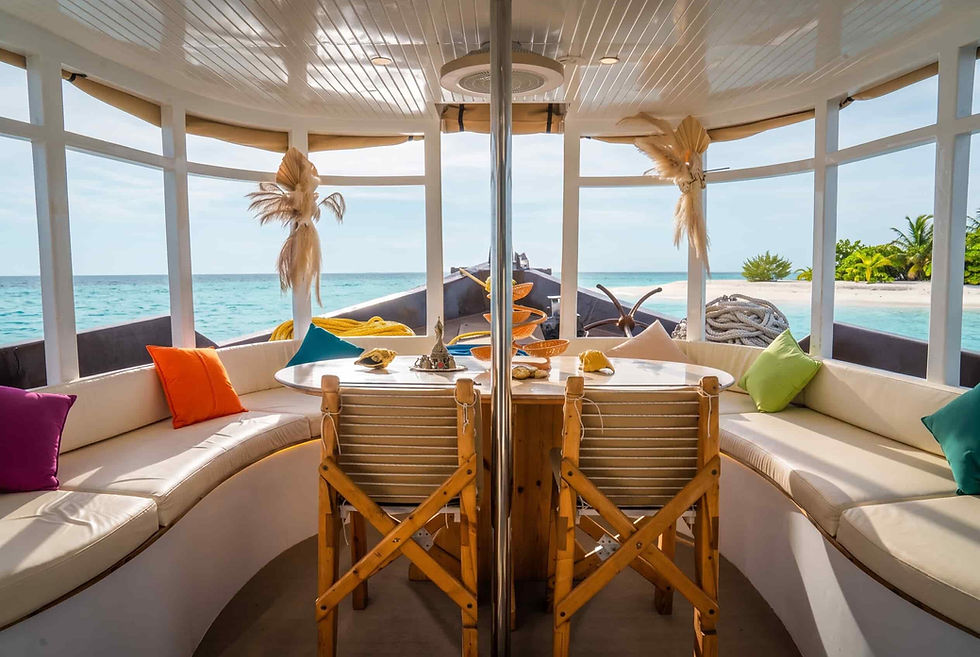
Dedicated surf charters represent the premium option for serious surfers wanting to maximize wave time and break variety. These vessels range from traditional dhonis to modern luxury yachts, providing accommodation, meals, and daily surf transportation in one package.
When you choose to surf in Maldives via charter, you gain the flexibility to chase swells across multiple atolls, surf uncrowded breaks, and adjust your itinerary based on real-time conditions. The comprehensive Maldives surf travel guide emphasizes how charters provide the most authentic and rewarding Maldivian surf experience.
Charter boats typically accommodate 6-12 guests, creating a social atmosphere while maintaining manageable crowd levels at each break. Professional surf guides familiar with every reef, channel, and break ensure safety and optimal wave selection throughout your journey.
Equipment and Preparation Essentials
Proper equipment preparation ensures you maximize your time when you surf in Maldives. The reef-break nature of Maldivian waves requires specific gear considerations different from beach break surfing.
Surfboard Selection
Most Maldives breaks work best with boards designed for reef waves. The powerful, hollow nature of many waves demands specific board characteristics.
Board Type | Recommended Dimensions | Best For | Wave Conditions |
Shortboard | 5'8" - 6'2" | Experienced surfers | 3-8 foot waves |
Step-up | 6'4" - 6'10" | Bigger days | 6-10 foot swells |
Groveler | 5'6" - 5'10" | Smaller conditions | 2-4 foot waves |
Fish/Hybrid | 5'8" - 6'4" | Versatile conditions | 2-6 foot waves |
Bringing multiple boards provides options across varying conditions. Most surf charters and resorts offer board rentals, though serious surfers prefer using familiar equipment.
Protection and Safety Gear
Reef surfing demands protective equipment to prevent injuries from coral encounters. Essential items include reef booties, lycra or wetsuit tops for sun protection, and reef-safe sunscreen.
Critical safety equipment:
Reef booties (essential for all surfers)
Lycra rash guard or thin wetsuit top
Helmet (recommended for shallow reef breaks)
First aid supplies including reef-cut treatment
Reef-safe, biodegradable sunscreen
The warm water temperature means thermal protection isn't necessary, but UV protection remains critical. Many surfers wear full-body lycra suits to prevent sunburn during extended sessions.
Skill Levels and Wave Selection
The diversity of breaks means surfers of various abilities can surf in Maldives successfully. However, realistic self-assessment of skills ensures safety and enjoyment.
Beginner and Intermediate Options
While the Maldives is famous for powerful reef breaks, several locations offer more forgiving waves for developing surfers. Inside reef passes and protected breaks provide opportunities to progress skills in a stunning environment.
According to detailed Maldives surf information, beginner-friendly breaks exist primarily in lagoon areas and mellower reef passes. These waves typically break over deeper reef sections, reducing injury risk while providing genuine surfing experiences.
Intermediate surfers find abundant opportunities across all atolls. Many classic breaks offer multiple sections with varying difficulty, allowing progression throughout a trip.
Advanced and Expert Waves
Experienced surfers seeking challenging conditions will find world-class waves when they surf in Maldives. Heavy barrels, powerful walls, and fast sections characterize many premier breaks.
Expert-level waves require strong paddling fitness, reef-break experience, and confidence in overhead conditions. Local surf guides provide valuable knowledge about reef hazards, wave behavior, and optimal positioning for these demanding breaks.
Environmental Considerations and Sustainability
The Maldives Surfing Association's sustainability initiatives emphasize protecting the fragile reef ecosystems that create these world-class waves. Responsible surfing practices ensure these breaks remain pristine for future generations.
Reef Protection Practices
Coral reefs form the foundation of Maldivian surf breaks, making their protection essential. Surfers should avoid standing on coral, use reef-safe products, and minimize physical contact with reef structures.
Sustainable surfing guidelines:
Never stand on living coral formations
Use biodegradable, reef-safe sunscreen exclusively
Remove all trash from boats and beaches
Avoid touching marine life
Support local conservation initiatives
Choose operators committed to environmental protection
Supporting Local Communities
The surf tourism industry provides significant economic benefits to Maldivian communities. Choosing locally-operated services, respecting cultural norms, and engaging with island communities creates positive impacts beyond just riding waves.
When planning your Maldives holiday, consider how your choices support local economies and environmental conservation. Sustainable tourism ensures the Maldives remains a world-class surf destination while protecting its cultural and natural heritage.
Combining Surfing with Other Activities
One major advantage when you surf in Maldives is the abundance of complementary activities. The same pristine waters that produce perfect waves also offer exceptional diving, snorkeling, and fishing opportunities.
Multi-Activity Itineraries
Yacht-based vacations excel at integrating diverse activities into a single trip. Morning surf sessions can be followed by afternoon diving expeditions, sunset fishing, or exploring uninhabited islands. This versatility appeals to groups with varied interests or surfers traveling with non-surfing companions.
The immersive Maldives experience guide details how combining surfing with other water sports creates a comprehensive adventure vacation. Many premier surf breaks sit near excellent dive sites, allowing seamless transitions between activities.
Cultural and Island Exploration
Beyond water sports, the Maldives offers rich cultural experiences on inhabited islands. Traditional Maldivian villages, local markets, and cultural centers provide insight into island life beyond tourist resorts.
Incorporating island visits into your surf charter creates a more complete experience. Interactions with local communities, sampling traditional cuisine, and learning about Maldivian history add depth to your surfing adventure.
Practical Planning and Trip Timing
Successful surf trips require advance planning, especially during peak season when charters and resorts book months ahead. Understanding booking timelines, budget considerations, and travel logistics ensures a smooth experience.
Booking Timeline and Costs
Prime surf season (June through August) demands early reservations, often 6-12 months in advance for popular charters and resorts. Shoulder season offers more flexibility and often better value while maintaining quality surf conditions.
Budget considerations for different access methods:
Resort-based surfing: $300-$800 per night per person
Surf charter boats: $200-$500 per day per person (all-inclusive)
Day-trip services from Male: $75-$150 per day
Independent travel with local boat hire: $50-$100 per day
Comprehensive planning through Atoll Villa ensures you access the best breaks while managing costs effectively. All-inclusive yacht charters often provide superior value when calculated per day, including accommodation, meals, boat transfers, and surf guide services.
Travel and Transfer Logistics
International flights arrive at Velana International Airport near Male, the capital. From there, transfers to surf locations vary based on atoll distance. North and South Male breaks sit 20-90 minutes from the airport by speedboat, while remote atolls may require domestic flights or extended boat journeys.
Charter boats typically meet guests at the airport or designated marinas, simplifying logistics. Understanding transfer requirements and timing helps prevent missed connections and wasted vacation days.
Health, Safety, and Risk Management
While surfing in the Maldives offers incredible experiences, proper risk management ensures safety throughout your trip. Reef environments present unique hazards requiring awareness and preparation.
Common Injuries and Prevention
Reef cuts constitute the most frequent injury when you surf in Maldives. Sharp coral and sea urchins can cause painful wounds that require immediate treatment to prevent infection. Proper footwear, awareness of reef depth, and careful entry/exit procedures minimize these risks.
Injury prevention strategies:
Always wear reef booties
Know reef depth at various tide levels
Enter and exit water at designated channels
Carry comprehensive first aid supplies
Learn proper reef-cut cleaning and treatment
Consider travel insurance covering medical evacuation
Medical Facilities and Emergency Services
Medical facilities in the Maldives vary significantly by location. Male offers modern hospitals with emergency services, while remote atolls have limited medical infrastructure. Serious injuries may require evacuation to Male or international facilities in Sri Lanka or India.
Quality travel insurance covering emergency medical evacuation is essential. Ensure your policy specifically covers water sports and surfing activities, as some standard policies exclude these activities.
Cultural Respect and Local Etiquette
The Maldives is a conservative Islamic nation, and respecting local customs enhances your experience and supports positive tourism relationships. Understanding cultural expectations ensures smooth interactions throughout your surfing journey.
Appropriate Behavior and Dress
While surf breaks and resort islands offer relaxed atmospheres, visiting inhabited local islands requires modest dress and respectful behavior. Women should cover shoulders and knees when visiting villages, and public displays of affection should be avoided.
Cultural respect guidelines:
Dress modestly when visiting inhabited islands
Request permission before photographing locals
Respect prayer times and religious practices
Avoid public alcohol consumption on local islands
Learn basic Dhivehi greetings and phrases
Support local businesses and craftspeople
Surf Etiquette and Lineup Behavior
Standard surf etiquette applies throughout Maldivian breaks. Respecting right-of-way, avoiding drop-ins, and sharing waves maintains positive lineup dynamics. Many breaks accommodate relatively small crowds, making courteous behavior even more important.
Local Maldivian surfers increasingly participate in their home breaks, and welcoming their presence while acknowledging their local knowledge creates positive interactions. The growing local surf community deserves respect and encouragement as surfing develops throughout the archipelago.
The Maldives stands as one of the world's premier surfing destinations, offering consistent swells, warm water, and diverse breaks suitable for all skill levels throughout the extended season. Whether you're chasing perfect barrels or seeking mellow reef passes, the opportunities to surf in Maldives create unforgettable experiences. For the ultimate surfing adventure, consider exploring these pristine waves aboard a private boat tour with Atoll Villa, where luxury yacht charters provide exclusive access to remote breaks, all-inclusive amenities, and the flexibility to chase optimal conditions across multiple atolls at your own pace.


Comments